
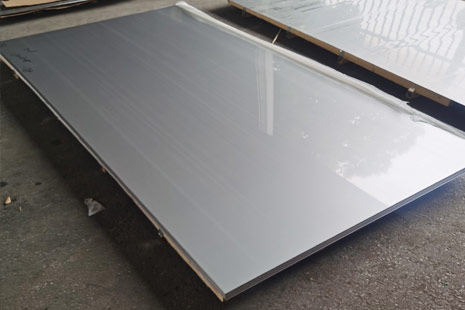
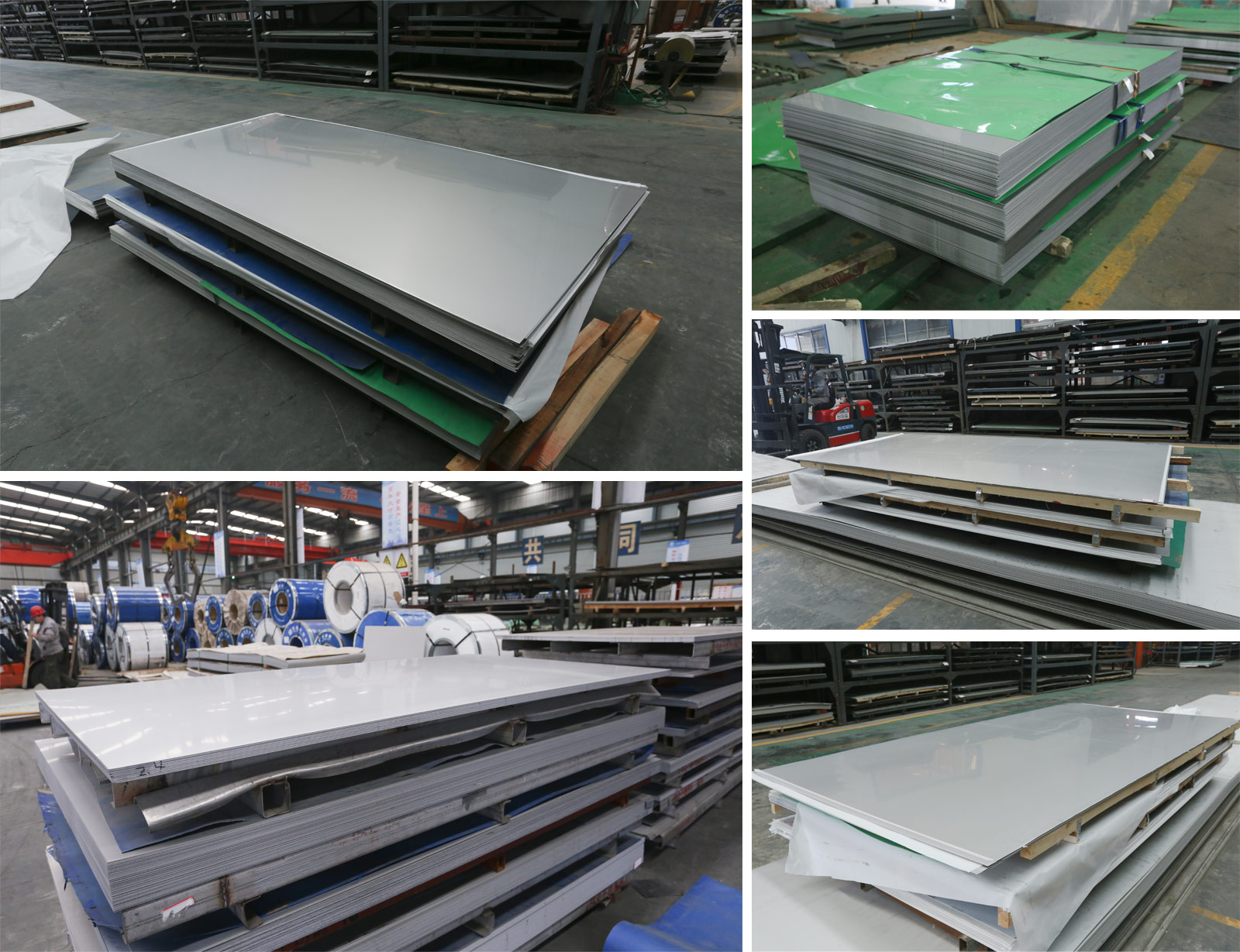
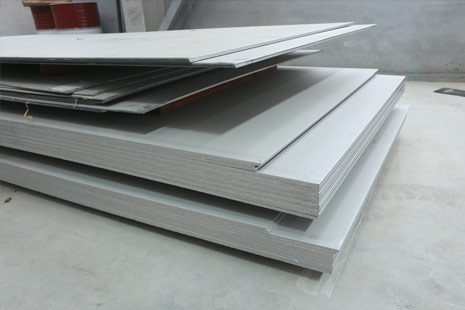
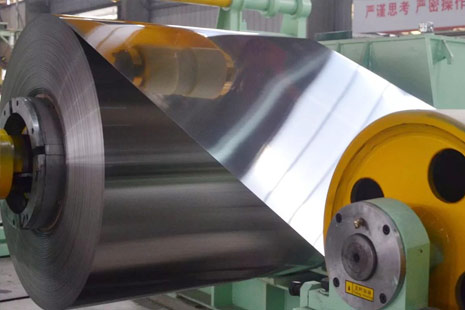
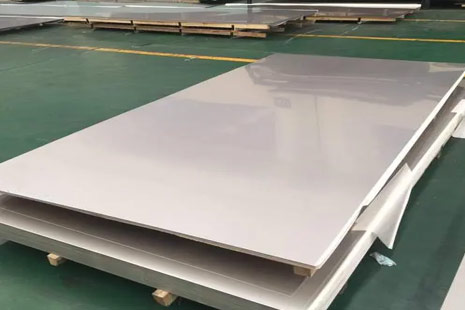
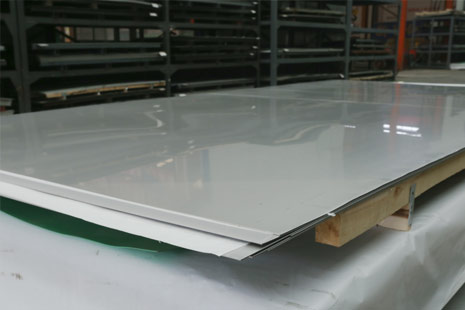
2507 Stainless steel plate
Duplex stainless steel 2205 Standard: ASTM A240/A240M--01 Duplex stainless Steel 2205 alloy is composed of 22% chromium, 2.5% molybdenum and 4.5% nickel nitrogen alloy composite stainless steel. It has high strength, good impact toughness and good overall and local resistance to stress corrosion.
Special specifications can be customized according to customer requirements, please contact us to explain separately!
Contact us
Description
Specification
Images

National standard dimension thickness comparison table:
Available Materials
The materials provided are commonly used materials, other materials can contact us for consultation!
Message

Wenfeng Iron and Steel Co. , Ltd.
First class quality service and professional after-sales team.
Whatsapp: 8615865598686
E-mail: info@wenfengsteel.com
Add: No. 172 Taibai Road, Qingdao Area, China (Shandong) Pilot Free Trade Zone
Get in Touch
*We respect your confidentiality and all information are protected.

